General Engineering
Reliable, predictable tooling for job shops working across mixed materials and short runs, where the next job is never quite the same as the last.
The problem
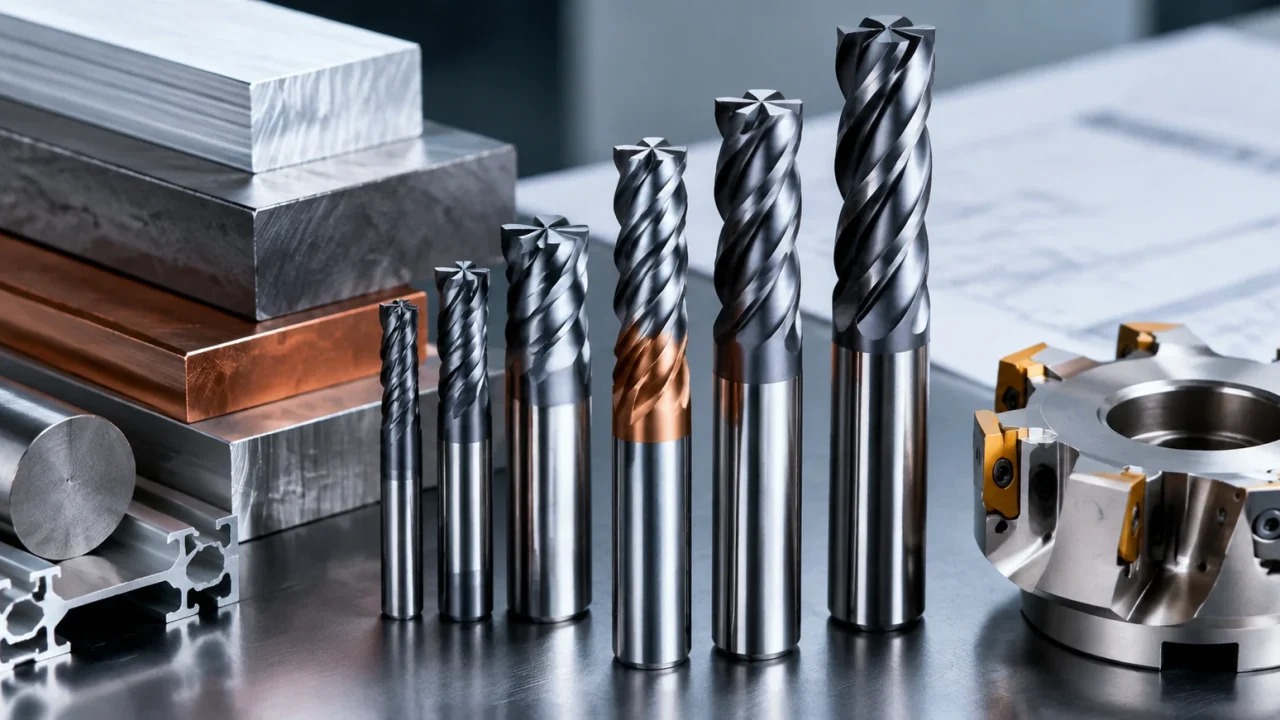
A job shop cannot optimise for one material or one operation. The work changes every week, the machines are general-purpose, and the tool that has to cover the most ground is worth more than the tool that is perfect for one job.
What we recommend
One tool for most jobs
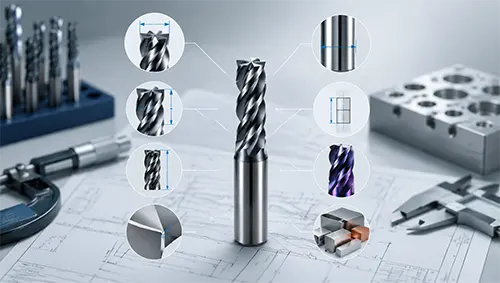
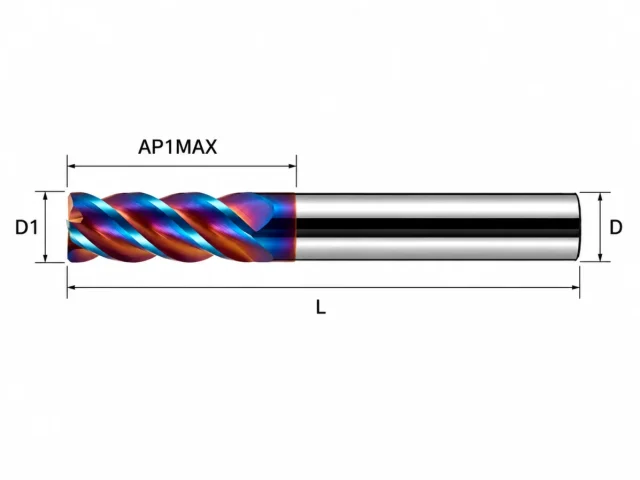
A four-flute square end mill with an AlCrN coating covers steel, cast iron, stainless and hardened stock without changing the tool between jobs.
4 flute · 38° · AlCrN
Slots and plunges
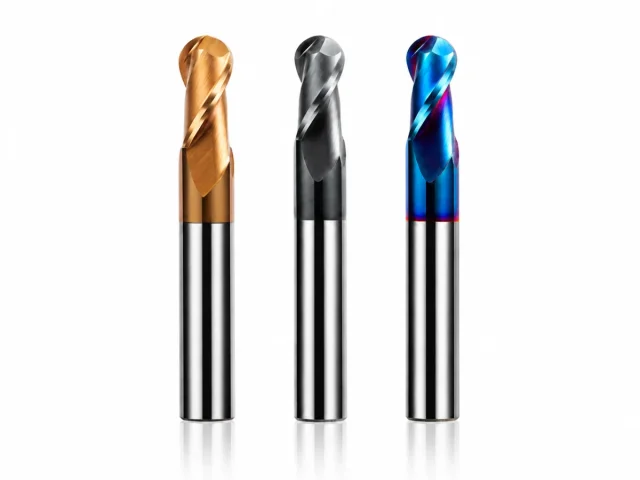
Two flutes for maximum chip room where a deeper slot would pack a four-flute tool solid.
2 flute · 30° · TiAlN
Deburring and dressing
Double-cut carbide burrs in the shapes that come up: cylinder, ball, tree and flame.
Double cut · Ø3–16 mm
Starting cutting data
| Material | Cutting speed vc | Feed fz | Depth of cut ap |
|---|---|---|---|
| Carbon steel | 180–260 m/min | 0.03–0.06 mm/tooth | 0.5×D |
| Stainless | 90–140 m/min | 0.02–0.04 mm/tooth | 0.3×D |
| Aluminium | 300–600 m/min | 0.05–0.12 mm/tooth | 0.5×D |
| Cast iron | 150–220 m/min | 0.03–0.05 mm/tooth | 0.4×D |
How to specify it
- The materials you cut most often — the answer is usually one or two coatings rather than five.
- Your machine — spindle speed ceiling and rigidity decide how aggressive the recommendation can be.
- The mix of work — short runs and one-offs point to a different stocking policy than production parts.