
Solutions by industry
Start from the material, the machine and the operation — not from page one of a catalog. Each route pairs a recommended tool geometry with starting cutting data.
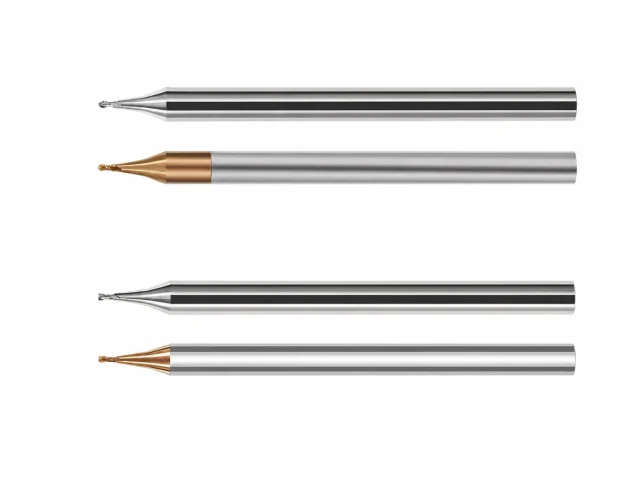
Micro Ball Nose End Mill — Ø0.3 to 3 mm
Micro ball geometry for small 3D surfaces, radii and ribs where the finish has to come off the tool, not the polisher.
Read more
Micro Corner Radius End Mill — Ø0.5 to 3 mm
The micro tool that stops chipping: a small radius on a small edge makes a disproportionate difference to tool life.
Read more
Long Neck Micro End Mill — Deep Rib
Long neck, short flute: reach into deep ribs without grinding away the rigidity that keeps the tool alive.
Read more
Micro End Mill — DLC Coated, Aluminium
Diamond-like carbon on a micro edge: the coating that stops aluminium sticking where you cannot afford to stop and clean the tool.
Read more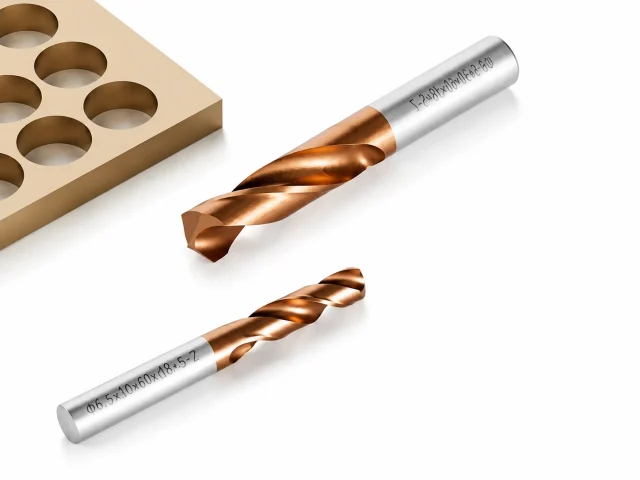
Solid Carbide Micro Drill — Ø0.5 to 3 mm
Micro drilling without the breakages: tight runout, a reinforced web and a point geometry that starts where you mark it.
Read more
Special Geometry End Mill — Aerospace Alloys
Geometry developed for titanium and superalloys: controlled rake, reinforced edges and clearance that keeps heat out of the cut.
Read more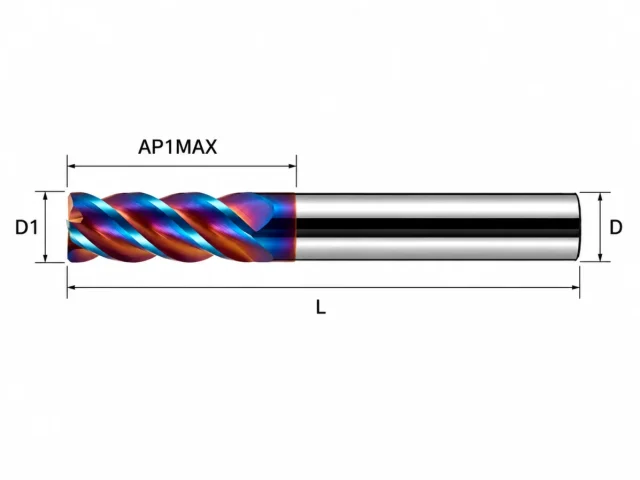
5-Flute Variable Helix Square End Mill — Stainless
Variable helix and unequal flute spacing break the harmonics that make stainless steel ring. Quieter, and noticeably longer tool life.
Read more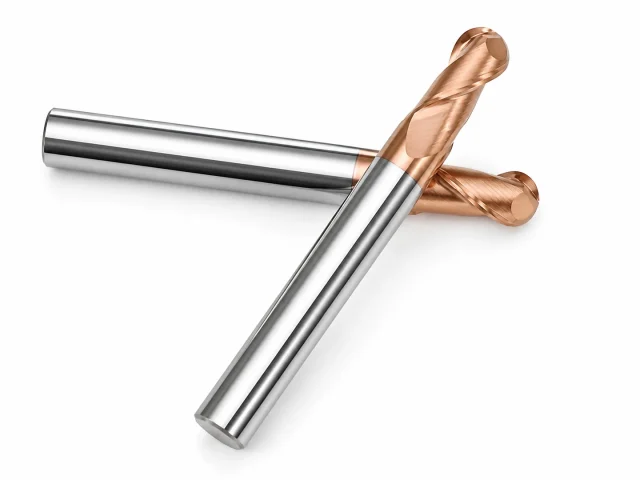
Tapered Ball Nose End Mill — Mold Finishing
A half-degree taper lets one tool finish drafts, fillets and deep ribs that would otherwise need three setups.
Read more
Micro Square End Mill — Ø0.2 to 3 mm
Ground carbide down to Ø0.2 mm for features a standard tool cannot reach, with runout held tight enough to matter.
Read moreCan't find the geometry you need?
Most of what we ship is ground to a drawing. Send yours — we quote within 24 hours.